

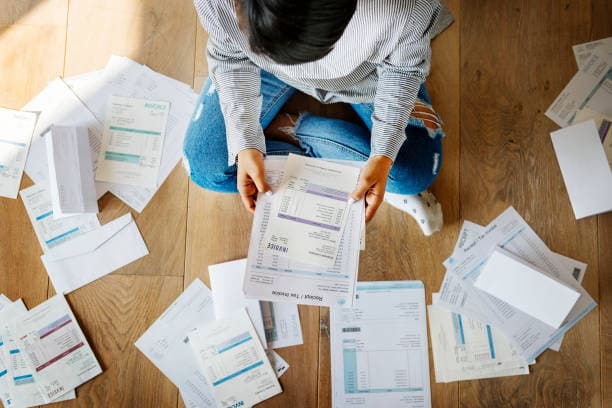




Complete guide4 min read
Invoice-to-cash
The full invoice-to-cash process, from pricing to collected payment and reconciliation—every stage explained, with practical ways to get paid faster.
Read guideLearn invoicing, payments, and billing workflows for freelancers and small businesses.
Start here
Invoicing is how you turn work into income. Start here to learn how to create invoices, get paid faster, and manage the money side of your business.
Create & send
Learn how to make professional invoices step by step—what to include, how to write line items, set payment terms, and send bills that get paid faster.
Collect faster
Learn how to get paid after you send an invoice—set clear payment terms, make paying easy, send reminders, and handle overdue invoices without damaging client relationships.
Ongoing work
There's no single right way to bill clients. Learn when to use deposits, progress invoices, recurring billing, retainers, payment plans, and statements.
Use the numbers
Use invoice data to understand cash flow, pricing, and growth—so billing supports the business, not just paperwork.
The full invoice-to-cash process, from pricing to collected payment and reconciliation—every stage explained, with practical ways to get paid faster.
Read guide
Learn proven ways to get paid faster, reduce late invoice payments, and protect cash flow—from clear terms to reminders and online payments.
Read guide
Most late payments are preventable. Learn strategies to reduce late payments, cut overdue invoices, and get customers to pay on time.
Read guide
Learn how payment terms like Net 30, Net 15, and Due on Receipt work, how to choose the right ones, and how to get paid faster—with examples.
Read guide
Learn how to accept credit card and bank payments on invoices, compare methods and fees, cut payment friction, and get paid faster—step by step.
Read guide
Learn how to charge late fees the right way—legal basics, fair rates, wording examples, and calculations that get you paid without losing clients.
Read guide
Build a professional follow-up process that gets you paid faster without straining relationships—timelines, sample wording, and best practices.
Read guide
Reminder templates for every stage—from friendly nudges to final notices—plus when to send each one and how to get invoices paid faster.
Read guide
A step-by-step guide to collecting overdue invoices professionally—when an invoice is late, how to follow up, when to escalate, and how to prevent it.
Read guide
Collection letter templates for every stage—from friendly reminder to final notice. Professional wording that gets you paid without burning bridges.
Read guide
Recover unpaid invoices with a calm, step-by-step collections process—from friendly reminders to escalation—while protecting customer relationships.
Read guide
Learn what bad debt is, why invoices go uncollectible, how to spot warning signs, and practical ways to reduce bad debt and protect cash flow.
Read guide
Learn the difference between a quote and an invoice, when each becomes binding, and how both fit your sales workflow—with examples.
Read guide
Estimate vs quote explained simply. Learn what each means, when to use it, how they lead to an invoice, and which to send first.
Read guide
Learn how to number invoices the right way. Compare numbering systems, see examples, avoid common mistakes, and build a format that scales.
Read guide
An invoice asks for payment; a receipt proves it. Learn when to use each, what to include, and how they fit together.
Read guide
Draft, sent, overdue, paid, void—learn what every invoice status means and exactly what to do next at each stage.
Read guide
Learn what a credit note is, when to issue one, and how it differs from an invoice, refund, and receipt—with examples.
Read guide
Credit memo vs credit note explained: often the same document under two regional names. Learn when to issue one and how it differs from a refund.
Read guide
What is a purchase order? Learn how POs work, what they include, when you need one, and how they differ from quotes and invoices.
Read guide
The buyer sends the PO to authorize a purchase; the seller sends the invoice to request payment.
Read guide
Learn what a receipt is, when to issue one, what to include, and how it differs from an invoice and a payment confirmation.
Read guide
What a commercial invoice is, when it's required, and fields it must include—so international shipments clear customs without delays.
Read guide
A pro forma communicates expected costs before payment is due. Learn what it is, when to use one, and how it differs from an invoice.
Read guide
Learn what recurring invoices are, when to use them, and how to automate billing to get paid on time.
Read guide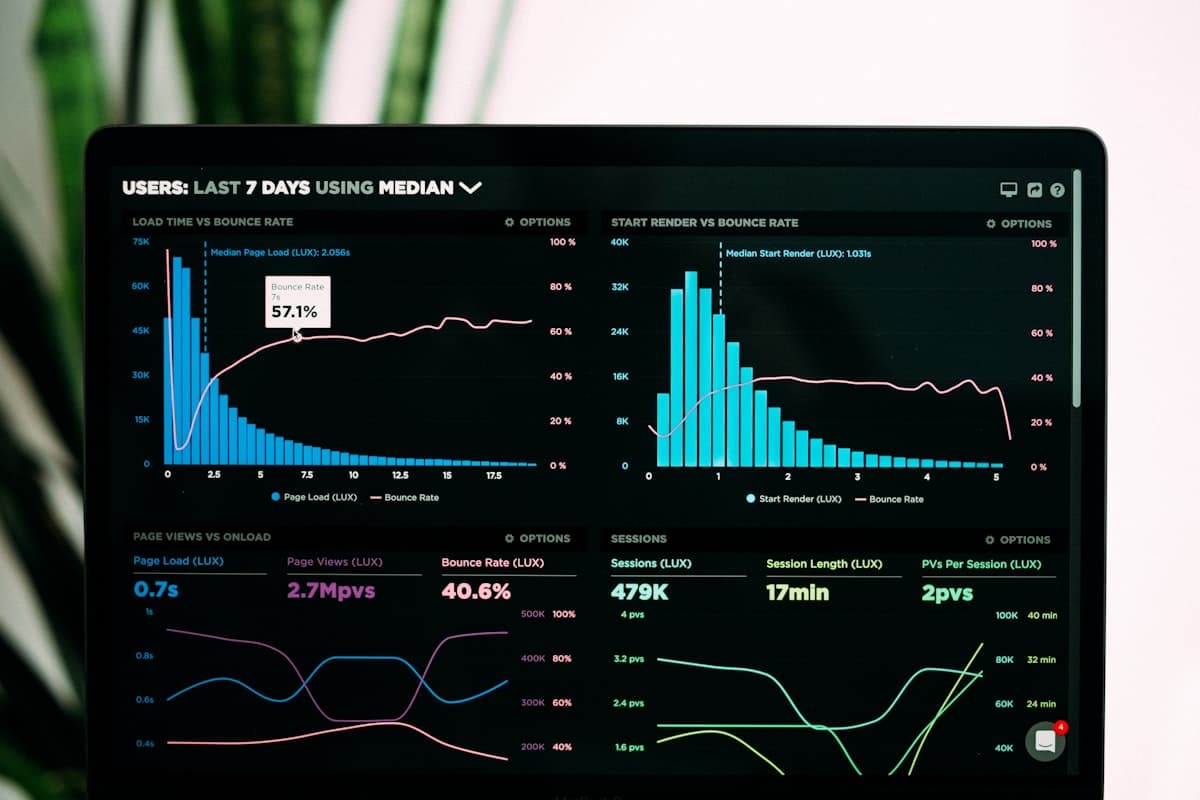
Learn what customer statements are, how they differ from invoices, what to include, and when to send them so you get paid faster.
Read guide
Learn when and how to request deposits and partial payments, how much to ask for, and sample wording to get paid upfront without losing clients.
Read guide
Bill large projects in stages as work is completed—how it works, methods, a worked example, and how it differs from deposits.
Read guide
Offer payment plans that improve collections and protect relationships—when to use them, how to structure installments, and sample wording.
Read guide
Learn how retainers work, main types, how to invoice them, and how they differ from recurring invoices, deposits, and progress billing.
Read guide
A plain-English guide to small business cash flow—what it is, why it beats profit, ways to improve it, how to forecast, and metrics to track.
Read guide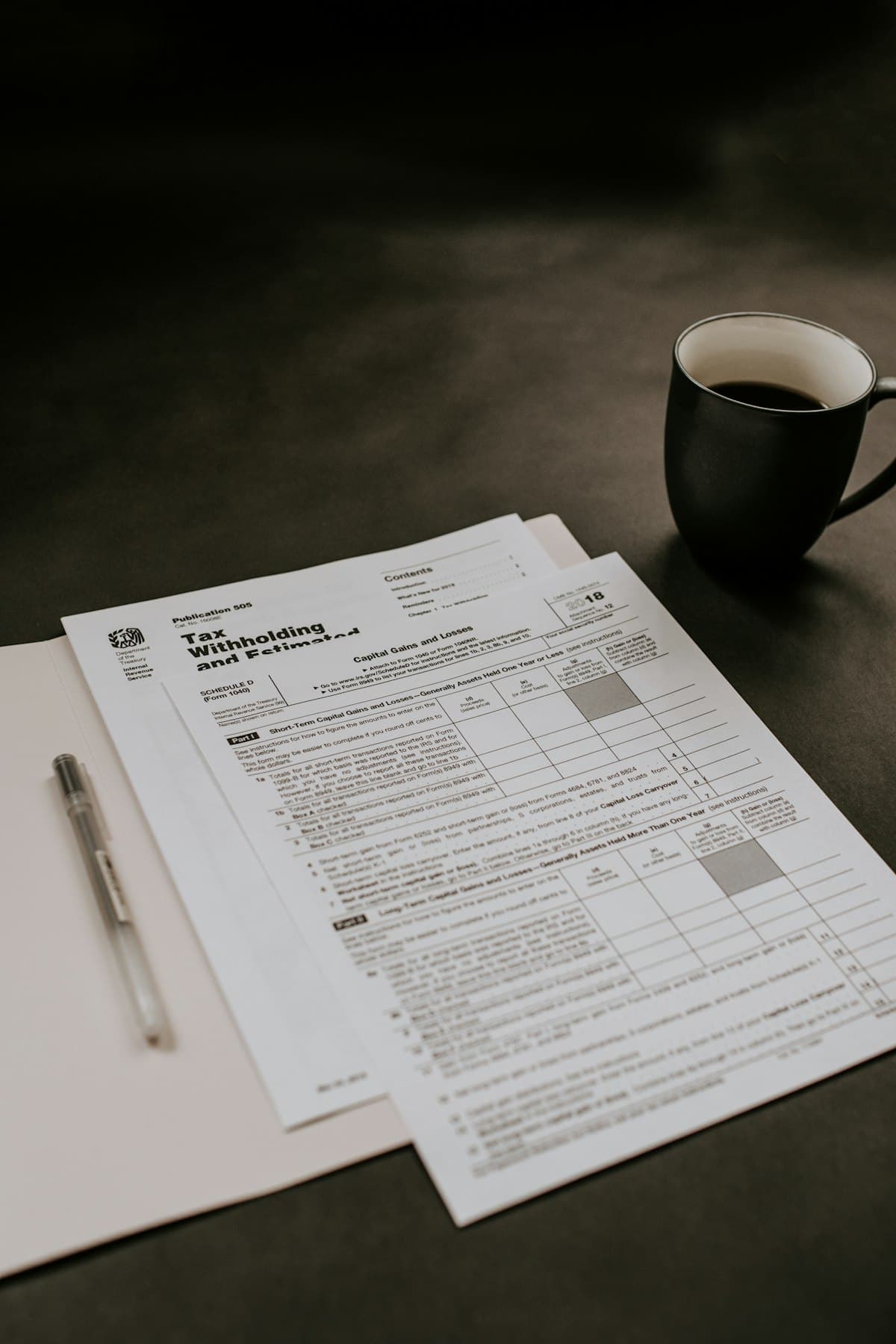
Gross profit shows if your work is profitable; net profit shows if your business is. Learn the difference, calculations, and what margins mean.
Read guide
Learn how to read the income statement, balance sheet, and cash flow statement—in plain English—and use them to make smarter decisions.
Read guide
Price with confidence—pricing models compared, a step-by-step rate formula, worked examples, and how to raise prices.
Read guide
A plain-English guide to accounts receivable for small businesses—the AR process, key metrics, common mistakes, and how to get paid faster.
Read guide
Learn what an aging report is, how to read aging buckets, and how to use it to prioritize collections—with a sample layout.
Read guide
What is DSO? Learn the formula, a worked example, what counts as a good DSO, and practical ways to reduce it.
Read guide
Learn what the AR turnover ratio is, how to calculate it with a worked example, what a good ratio looks like, and how to improve collections.
Read guide
Cash application is how you match customer payments to the right invoices. Learn why it matters and best practices to keep balances accurate.
Read guide
Payment reconciliation in plain English: what it is, why it matters, and a step-by-step process to match payments to invoices and bank deposits.
Read guide
Resolve invoice disputes without damaging relationships—step-by-step responses, sample wording, and prevention tips.
Read guide
Working capital is the cash your business can use right now. Learn what it is, how to calculate it, and how to improve it—with examples.
Read guide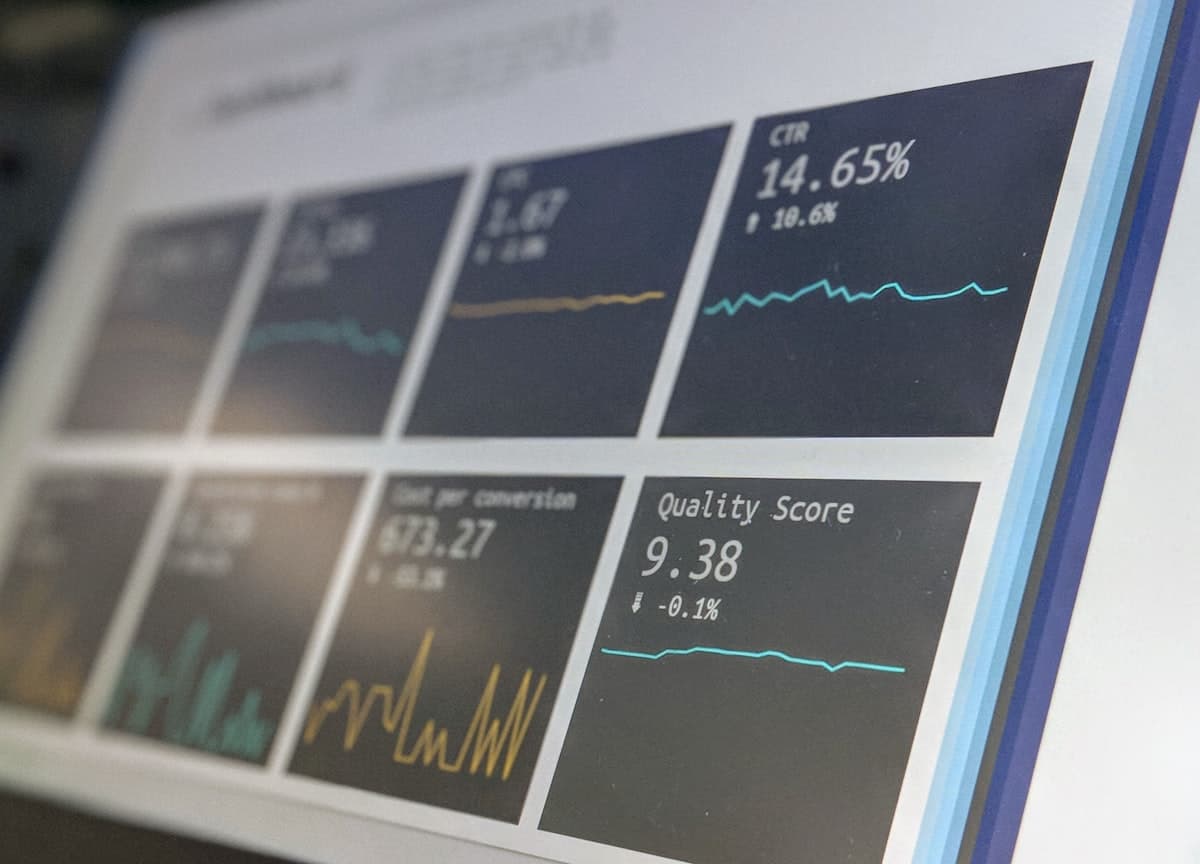
Simple revenue forecasting methods for small businesses—with examples to plan cash flow and grow with confidence.
Read guide